Weixin Service

 DouYin
 KuaiShou





From traffic management to monetization of computing power: Token model drives structural growth of electronic components industry
Date:2026-06-05 15:58:14 Views:2861
In May, the three major telecom operators simultaneously launched Token packages, packaging AI computing power into standardized products similar to traffic packages, which are fully open to individual users, developers, and small and medium-sized enterprises. The strongest signal released behind this is that the construction of intelligent computing data centers (AIDCs) capable of large-scale industrial production of tokens is accelerating comprehensively, followed by a structural growth wave in the electronic component industry chain.
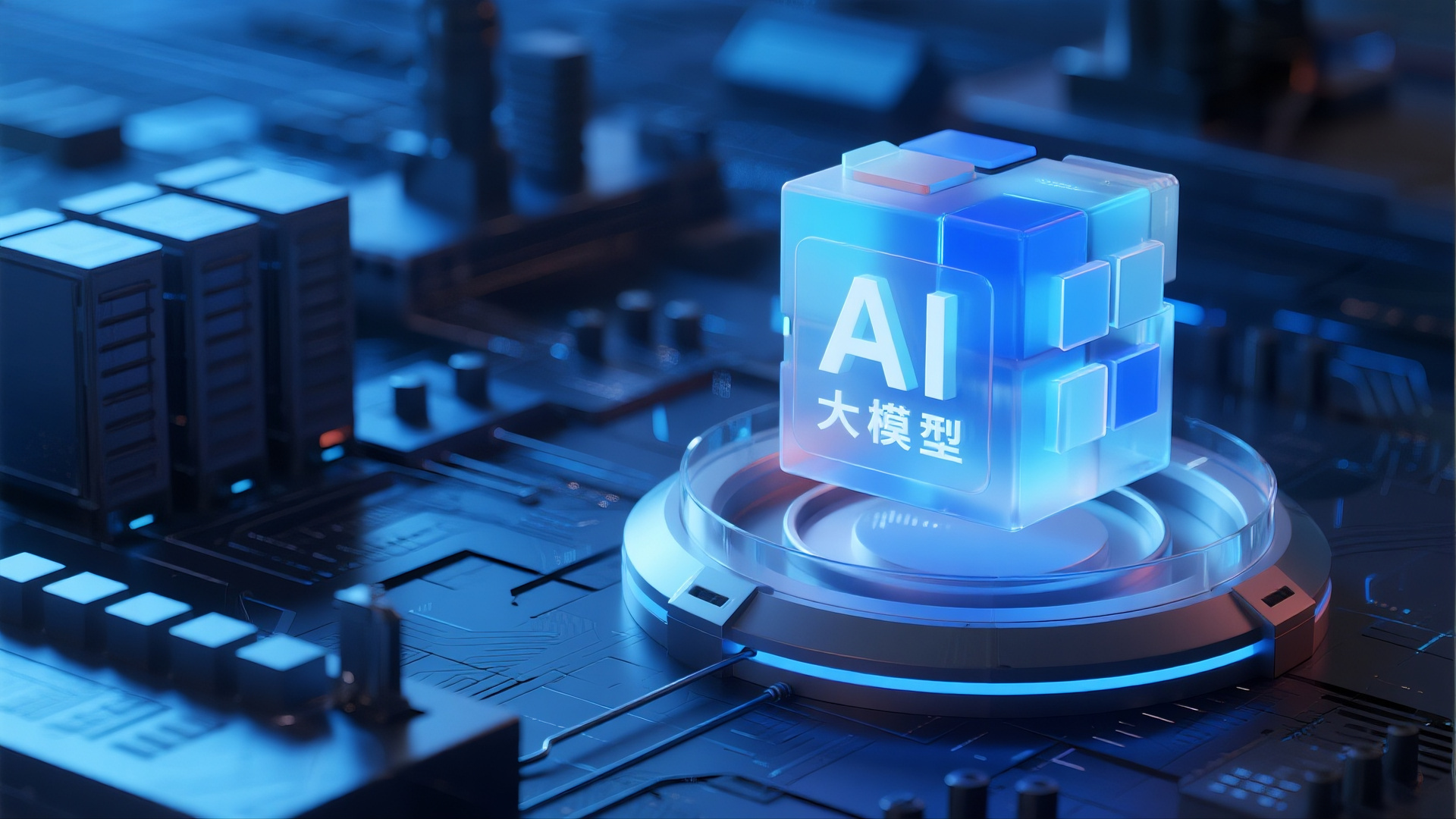
Token, as the core unit of AI big model computation, is becoming the "hard currency" of the digital economy era. As of March 2026, the daily average number of token calls in China has exceeded 14 trillion, an increase of over a thousand times compared to the 100 billion at the beginning of 2024. To meet the massive demand for Token calls, the three major operators are accelerating the layout of "Token Factories" and AI intelligent computing centers, and launching large-scale centralized procurement and construction of computing infrastructure. Among them, the scale of China Telecom's billion dollar token factory centralized procurement project exceeds 17.4 billion yuan, covering the entire chain of computing power clusters, server deployment, operation and maintenance services, etc; China Mobile and China Unicom have also continued to increase the construction of intelligent computing centers. In the first half of 2026, the number of new AIDC cabinets added by domestic operators exceeded 200000, and the power density of cabinets increased significantly from traditional 5kW to over 20kW. The wave of high-density and high computing power new data center construction has brought deterministic incremental opportunities to the entire electronic component industry chain.
The large-scale implementation of computing infrastructure has driven a high degree of certainty in multiple segmented tracks upstream and downstream. As the core hardware for computing power output, the demand for AI chips continues to increase: by 2025, the domestic shipment of AI acceleration cards will be about 4 million, and the proportion of domestic chips will exceed 41%. Based on the principle of independent and controllable procurement by telecom operators, domestic products such as Huawei Ascend and Haiguang Information have been launched on a large scale, with a single project procurement volume of up to 100000 units, promoting the rapid completion of technological iteration of domestic AI chips and accelerating the replacement of high-end overseas products. Massive token interactions have spurred explosive data transmission demands, forcing high-speed iteration of optical modules: 400G products remain in high demand, 800G achieves mass commercial use, and 1.6T optical modules and CPO technology have reached a turning point for commercial implementation. In the current construction of telecom operators' computing power networks, high-speed optical module procurement accounts for over 60%, and domestic manufacturers have won over 70% of orders with their technological and cost advantages. It is expected that the domestic high-speed optical module market size will exceed 80 billion yuan by 2026. At the same time, the massive session, vector, and model data generated by AI computing power demand strict storage performance - high throughput, low latency HBM and large capacity DRAM have become standard equipment for computing power centers. Domestic storage leader Changxin Storage's operator related orders will double year-on-year in 2026, and domestic HBM will gradually achieve breakthroughs in mass production; The single machine storage configuration of AI servers has been significantly upgraded, and the storage chip market has officially entered a phase of simultaneous increase in quantity and price. The annual market size is expected to exceed 120 billion yuan. In addition, high-density and high-power computing power cabinets continue to drive the demand for power management chips, DC-DC converters, and other power devices. High integration and high-efficiency power solutions from domestic manufacturers such as Shengbang Micro and Nasida have been mass-produced to adapt to AI computing scenarios. The high-performance demand for computing power equipment has also driven the iterative upgrading of high-speed high-frequency PCBs and high-power liquid cooled heat dissipation modules: the number of PCB layers in AI servers has significantly increased, and the penetration rate of liquid cooled heat dissipation continues to rise, benefiting top domestic enterprises and jointly building a hardware support system for computing power infrastructure.
The widespread implementation of operator token packages has not only brought massive market growth to the electronic components industry, but also become a core catalyst for accelerating the implementation of domestic substitution. Under the policy guidance of data security and industry autonomy and controllability, the three major telecom operators have clearly prioritized the procurement of domestic hardware equipment and core components, providing large-scale and high specification commercial scenarios for domestic component manufacturers, completely breaking the previous pattern of overseas monopoly on high-end AI chips, high-speed optical modules, and high-end storage devices. Relying on large-scale centralized procurement orders from telecom operators, domestic component companies have gained excellent opportunities for continuous technological iteration and product validation. They have achieved technological benchmarking in areas such as 400G/800G optical modules, mid-range AI inference chips, and general DRAM storage, and have continued to break through bottleneck technologies in high-end HBM, high-speed PCB, and other areas. Data shows that the overall domestic substitution rate of electronic components in China will increase by 15 percentage points year-on-year in 2026. Among them, the proportion of domestic device applications in the field of operator computing infrastructure has exceeded 60%, and the process of domestic substitution in the industry has entered a new stage of accelerated development.
Overall, the transformation of operators' business models from traffic sales to token computing services is an inevitable trend of industrial upgrading in the digital economy era, and has completely opened up a long-term dividend cycle for computing infrastructure, creating a new growth curve for the electronic components industry. In the future, as Token computing power services continue to sink into edge scenarios and terminal devices, the demand for segmented components such as edge AI chips, AIoT modules, and intelligent sensors will continue to be released, forming a growth pattern of the entire industry chain integrating cloud, edge, and terminal. The domestic electronic components industry will also continue to complete technological upgrades and industrial advancement under the dual drive of computing power dividends and domestic substitution, gradually moving towards the mid to high end of the global industrial value chain.