Weixin Service

 DouYin
 KuaiShou




AI computing power ignites transformer going global, electronic components stand on a new wave of opportunities
Date:2026-03-27 16:55:47 Views:1228
Recently, the latest data from the General Administration of Customs shows that the total export value of Chinese transformers will reach 64.6 billion yuan in 2025, a year-on-year increase of nearly 36%. The average export price per unit will rise to 205000 yuan, a year-on-year increase of 33%, achieving explosive growth in both quantity and price. Against the backdrop of a global power transformer supply gap of up to 30%, this "transformer going global frenzy" is not only a victory for a single category, but also heralds a global dividend period for the electronic components industry chain.
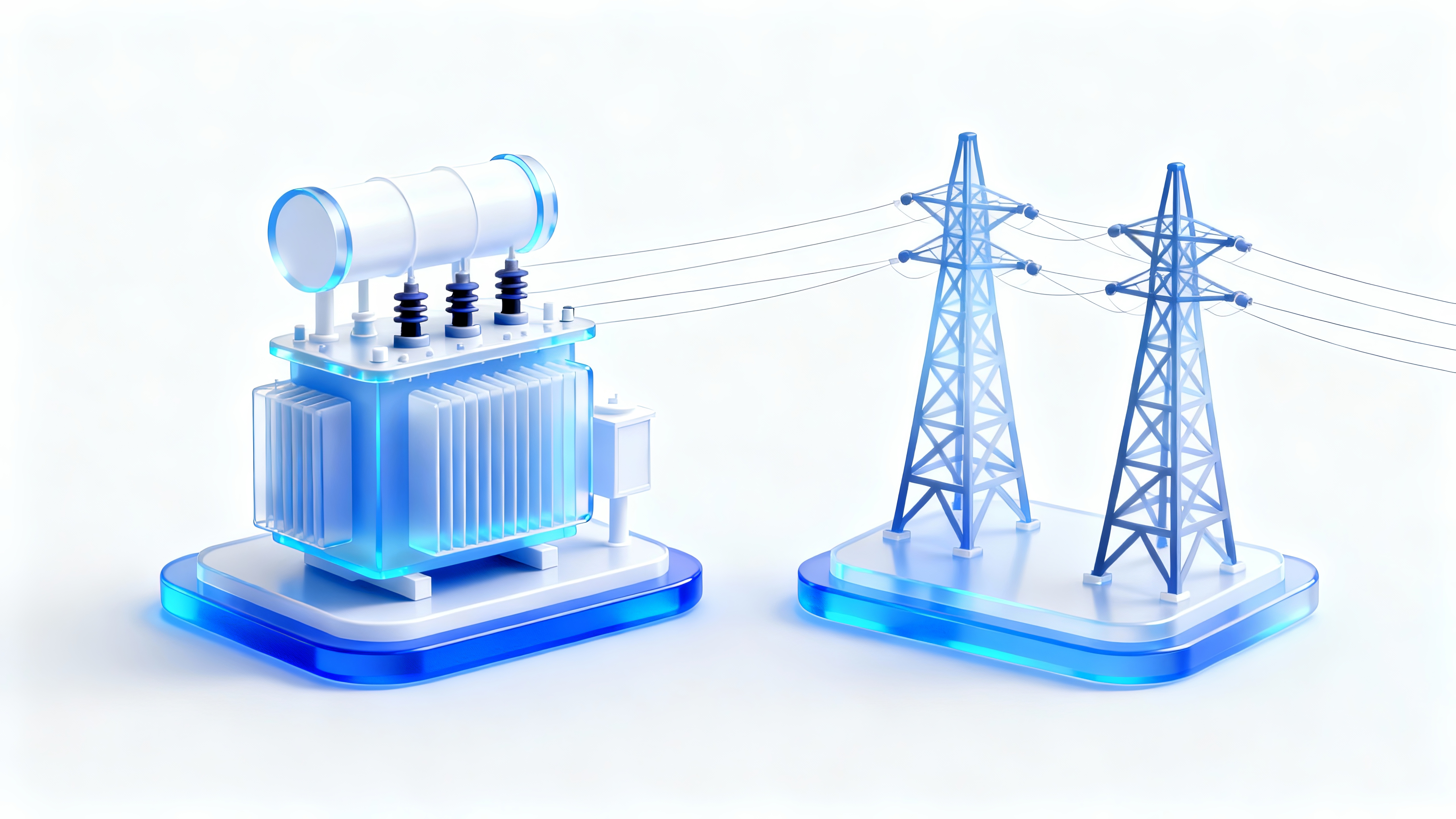
The direct driving force behind the explosion of transformer exports comes from the multiple demands of the global market. The power grid facilities in developed countries such as Europe and America have entered a cycle of replacement, and a large number of old equipment that has been in service for over 40 years urgently needs to be replaced; The electricity consumption of emerging market countries has increased, the proportion of clean energy generation has increased, and the pace of power grid investment layout has accelerated; The construction of computing infrastructure such as overseas data centers is accelerating, and the explosion of AI computing power is pushing power equipment to an unprecedented level of attention. The International Energy Agency predicts that global data center electricity demand will more than double by 2030. It is the combined effect of these factors that has brought strong momentum to the transformer industry.
What is truly worth paying attention to is the chain effect of this wave of going abroad spreading upstream. As the "heart of power", transformers have core components covering multiple electronic component fields such as magnetic materials, power semiconductors, sensors, insulation materials, and control chips. The reason why China has become the world's largest transformer producer with a production capacity accounting for 60% of the world's total is due to the establishment of the world's most complete transformer production system. From raw materials such as copper and aluminum, to components such as iron cores and tap changers, the upstream and downstream are closely integrated, and the industrial chain is independently controllable. The advantage of this industrial ecosystem is that when the export orders for complete machines surge, upstream component suppliers benefit synchronously, forming a synergistic effect of "borrowing ships to go abroad".
Specifically, dividends are emerging in several segmented fields. Magnetic materials are the core components of transformers, and the demand for oriented silicon steel continues to grow with the increase in transformer production. China has a global leading advantage in this field. In terms of power semiconductors, with the increasing demand for power quality and efficiency in AI data centers, solid-state transformers (SST) are becoming an important technological direction, which highly relies on key wide bandgap semiconductor devices (SiC, GaN) and special magnetic materials. The large-scale production capacity of the industrial chain directly affects the economy of SST. A study has pointed out that the AIDC power architecture is gradually evolving towards 800V HVDC and solid-state transformers, and is expected to usher in a market explosion "critical point" from 2026. As the core of the SST system, high-frequency transformers are expected to become indispensable partners for global power equipment giants, thanks to their traditional professional advantages in key sub components. Sensors and control chips are also beneficial links. The popularization of intelligent transformers requires a large number of current and voltage sensors as well as digital control chips to achieve state monitoring and remote operation and maintenance. Industry insiders have pointed out that digitization will become the core driving force for the transformation of the power system, helping to cope with the severe fluctuations and power quality challenges brought by AI loads. This means that electronic component companies with sensor and chip research and development capabilities will occupy a place in the wave of transformer intelligence.
From a longer-term perspective, the significance of the transformer export boom for the electronic components industry goes far beyond just increasing orders. It reveals the trend of China's manufacturing industry transitioning from "cost advantage" to "technology premium". In January and February 2026, the export growth rate of high value-added high-tech products will exceed 20%, far exceeding that of low-end processing categories. Behind this is the empowerment of China's super large market and rich application scenarios - the upgrading and transformation of the domestic power grid, the "14th Five Year Plan" ultra-high voltage project, and the promotion of the "East Data West Computing" strategy, which provide a "training ground" for enterprises to overcome technical difficulties, allowing Chinese manufacturing to fully verify reliability and practicality at the "doorstep" before going global.
Looking back at the phenomenon of transformers skyrocketing to 64.6 billion yuan overseas, its essence is the tremendous energy unleashed by China's manufacturing industry after decades of deep cultivation, driven by both the global infrastructure cycle and the AI revolution. For the electronic components industry, this is not only a short-term order dividend, but also a historical opportunity for the collaborative upgrading of the industry chain.